
Every strength. Every risk. Before you shoot.
Upload a draft. Get its appeal score, audience read and every production risk — in minutes.
One upload. That is the whole ask.
Upload your script
Import your screenplay in any standard format. We tell you the parse confidence before anything else runs.
Every scene, never a sample
Each scene is read individually and indexed, so nothing gets flattened into an average.
Audience appeal meets production risk
Two independent reads, scored side by side and cross-checked against released films.
Make the call with evidence
Calibrated ranges instead of single guesses, each one traceable to the scenes behind it.
Every risk, before the insurer finds it.
A production read of the same draft — scored, graded and traced back to the scene it came from.
One number an underwriter recognises — with the premium band and the riders it would take to bind.
Risk score
One number, the premium band behind it, and what it takes to bind.
Requires a re-scope or additional collateral before an underwriter will bind.
Every finding graded high to low, so you know what stops a shoot and what only costs a morning.
Severity distribution
Every one of 86 findings graded high, medium or low.
Fourteen hazard categories checked, seven returned findings — ranked by how often they appear.
Findings by category
Fourteen hazard categories were checked. Seven returned findings.
Night and rain account for 44 of 86 findings. No stunts, no weapons.
One cell per hazard per scene. Colour is severity, the number is how many findings landed there.
Category × scene
Each cell is a finding, coloured by severity.
Per-scene exposure against the cumulative projected score, plotted against the bands underwriters price to.
Risk by scene
Cumulative projected score against per-scene exposure.
Eleven scenes carry the score. Clear those and the projection drops under both bands.
Pick a category and read the scenes it came from — with the line of the draft that triggered each finding.
Pick a hazard, see the scenes
86 findings across seven categories — and the line that triggered each one.
“Rain sheets across the unlit terrace. They can barely see each other.”
“The promenade lights are out. NORA walks the seawall in the dark.”
“Two hundred guests cross wet grass by candlelight.”
“The rickshaw noses into traffic with one working headlamp.”
Every category wired to every scene it lands in — select one and its threads light up across the draft.
Category ↔ scene connections
Every finding, wired from the hazard that raised it to the scene it landed in.
Every scene ranked by exposure, with its severity mix and finding count, ready for the re-scope.
Scenes by exposure
Ranked by exposure, with the severity mix on every row.
Find the risks in your draft before the insurer does.
Point Storyvord at the script you're working on and see its risk score, hazard map and premium range.
Analyze my risksWho shows up, and how strongly they connect.
The same draft read as an audience would meet it — appeal, demographics, tone and the titles it sits beside.
Projected audience appeal, at a glance.
One score that summarizes how strongly your film is expected to connect with audiences.
Every scene. Every beat. Measured for appeal.
See exactly who shows up for this story.
The shape of the story, named.
Traces of Crime and Mystery under 8%.
The titles your film sits closest to.
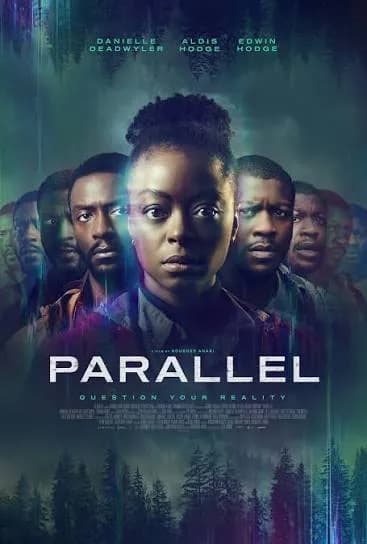
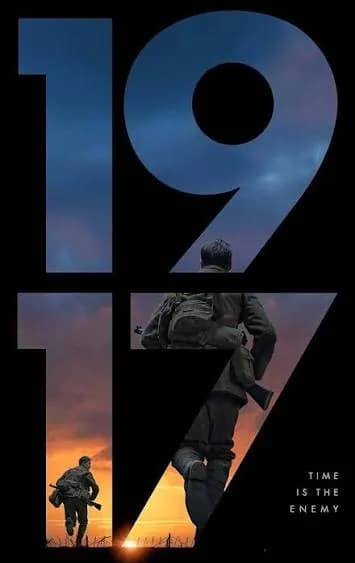
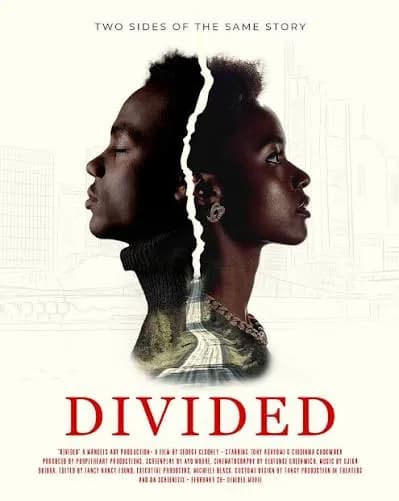
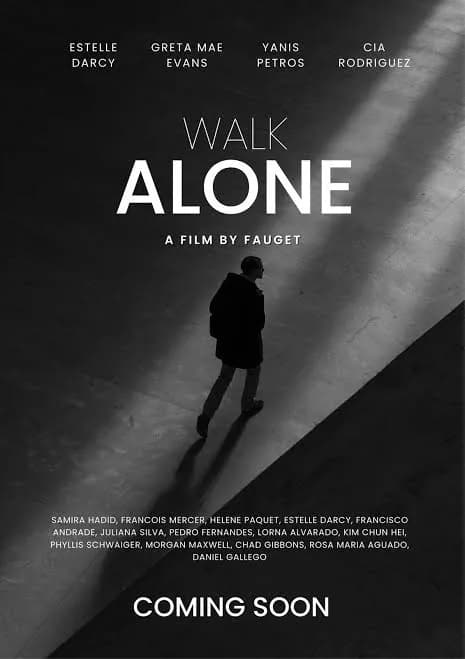
Where in the world it plays best.
Run this on the script you're working on.
Open your project, point Storyvord at the current draft, and see its appeal score, audience and comparables.
Simulate my audienceEvery filmmaker trusts their instinct. This is how you check it.
One upload, and every note you’d normally wait a month for.